Dairy Production Farming
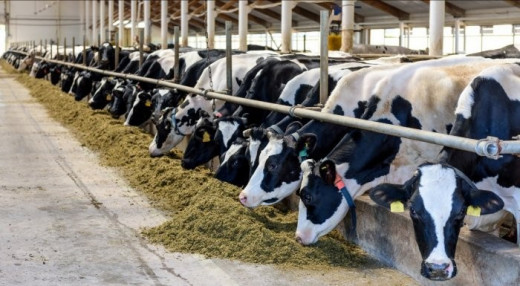
Dairy Production Farming
Dairy farming business is an enterprise established for the production and processing of milk for human consumption. It is one of the profitable agribusiness in the world. It is an expanding business. This article will take you through dairy production farming business.
Breeds of Cows
The following are breeds of dairy cattle.
Holstein
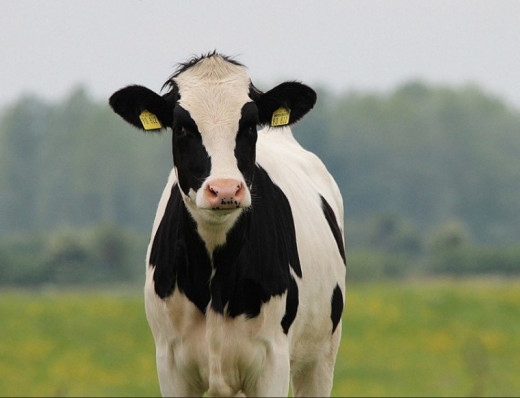
On average fully grown Holsteins weigh 625 kg (1,377 lbs) and are usually black and white. They give the most milk, fat, and protein.
Jersey
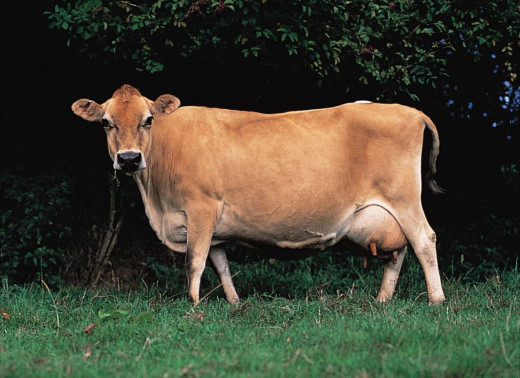
Jerseys are one of the smallest dairy breeds. On average, they weigh 450 kg and are light brown. Some Jersey dairy cows may have white spots too. These little cows pack a big butterfat and protein punch!
Milking Shorthorn
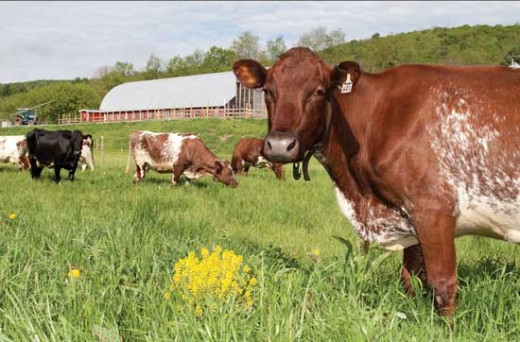
Milking Shorthorns are red, white, and brownish.
Ayrshires
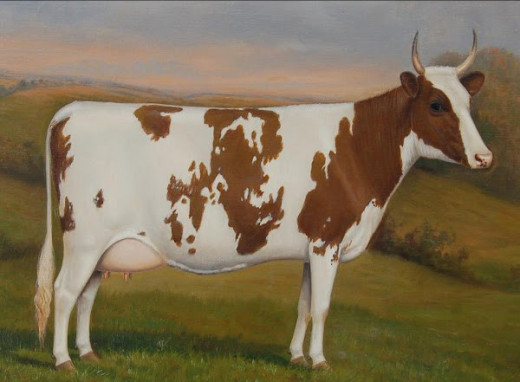
Ayrshires are a little smaller than Holsteins and have red and white markings. They are characterized by light to deep cherry red with or without white markings on the body
Guernseys
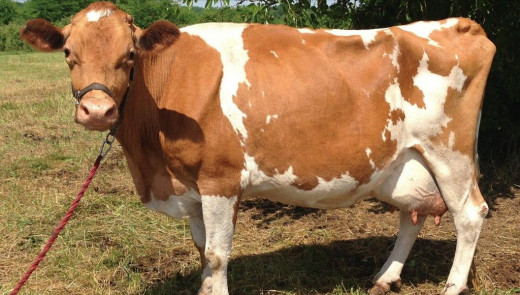
Guernseys are recognized by their light brown or red markings and white patches and they have similar size as Ayrshires.
Brown Swiss
Brown Swiss are the same size as Holsteins.
Crossbred Cattle
In dairy production, cross-breeding of dairy cattle means the mating of animals from different established breeds, for example, Holstein Friesian with Sahiwal. The progeny of cross-breeding is called crossbred, which exhibits a mixture of qualities of both the parent breeds.
Production
One of the biggest factors in selecting a calf is its potential to produce high milk. A calf may look great with respect to conformation, but if you are planning to keep it in a herd, then production is important as well.
Conformation
Desirable physical characteristics result in healthier and more productive animals that will last longer in the herd. Conformation is the rating of a cow’s body type. When judging calf conformation, it is important to know the parts of the dairy cow and what the ideals for different breeds look like. This will allow you to be more successful in your farming business.
Housing
How cattle are housed can make a big difference in your farm’s management as it can affect your cows’ growth, health, amount of milk produced and calving. Combined with other factors, such as feeding and health programs, housing has an important effect on your Dairy farm’s operation. The ideal calf house should have the following characteristics:
- It should be of good quality, durable, and not too expensive.
- It should contains a feed trough, clean water, and a hay rack, which makes feeding easy.
- Spacious—Each calf needs about 1.2 x 2.4 m of their own space to thrive.
- It should be flexible—Should be adaptable to changes on your farm and weather conditions.
- Easy to clean
Dehorning
Dairy cows need to be dehorned so that they are safer to handle and are less likely to cause injuries to other animals. Calves should be dehorned when they are very young because there is less horn tissue, so the chance of pain and infection is reduced.
Removing extra teats
Extra teats may interfere with milking. As such, they should be removed. They should be removed when the calf is one to two months old. Before removing extra teats, you should make sure the teat is not a milking one.
Feeding
Dairy cows requires a diet that supplies the nutrient needs for high milk production. These required nutrients are Carbohydrates, amino acids, fatty acids, minerals, vitamins, and water. The lactating dairy cow needs to meet these required nutrients to meet the demand by the mammary gland to produce milk and milk components.
Dairy cows are ruminant animal that chews its cud and have stomach that is divided into four-chambers. In order they are: rumen, reticulum, omasum, and abomasum.
You should ensure the feeds that you provide is able to provide the following five nutrients in a balanced ration:
- Energy
- Protein
- Minerals
- Water
All these nutrients can be found in varying amounts in the feed cattle eat. For example cows get energy from two sources: carbohydrates and fats. Carbohydrates are found in grains and forages which cattle feed, such as corn and hay. Carbohydrates in grains are easy to digest by cattle, which means they have high feeding value.
In forages, carbohydrates are part of the plant’s fibre and they are harder to digest. Cows need this hard-to-digest fibre to keep their stomachs working since they are ruminant animals.
Fats give the cow lots of energy in a small bite. Fats are found in small doses in many feeds, including grains. Fat can also be added to a cow’s ration.
Protein can be found in all feeds that cattle eat, including grain and forages. Alfalfa, hay, and silage are high in protein, as is oil seed, such as soybean and canola. Some cows also get added protein in the form of supplements.
Supplements are byproducts made from the processing of oil seeds. For example, the protein supplement soybean meal is what is left over after soybeans are crushed to make margarine and are greatly required by cattle.
Minerals are a very small part of your cow’s diet, but cattle can get sick without them. Minerals are divided into two groups: major and trace. Cows need major minerals in larger quantities than trace minerals.
A cow’s body is 70 percent water and milk is made up of 88 percent water plus fat, protein, minerals, and other solids. You should be giving your cow 5 litres (1 gal) of water to produce 1 litre (.2 gal) of milk. Each cow can drink up to 50 to 130 litres (13 to 34 gal) of water a day. You should maintain clean water all days.
Vitamins are required by your cattle too and are found in forages and grains, received from sunshine, manufactured in the rumen, and supplied as supplements. Dairy Cows need vitamins and minerals in small amounts.
Roughages and Forages
Cows are ruminants animals, which allows them to break down hard-to-digest fibre found in plants. These fibres are found in hay, corn silage, haylage, and greens and are all examples of roughages and forages.
Calf Feeding
As a Dairy farmer, you should aim to have your calves gain 0.7 kg (1.54 lbs.) (small breeds) or 1 kg (2.2 lbs.) (large breeds) a day. Calves need to grow so they are big enough to have a calf by the time they are two years old and this will help to make your agribusiness profitable.
If it takes too long for a cow to gain weight, you will lose money because you have to wait a while for the cow to produce milk. Getting calves to eat enough and gain weight is an important goal for any dairy farming business.
For the first three days of a calf’s life, you should feed your calf colostrum. After the first three days, calves can be fed sour colostrum, whole milk, or milk replacer. As calves get older, they should start eating dry feed.
Colostrum is thick, creamy, and yellow milk. It is the first milk the cow gives after the calf is born. It is the most important drink you should give a newborn calf, as it provides the calf protection from diseases.
Weaning
Weaning means the calf moves completely from a liquid diet to dry feed. You should wean your calf when it is eating 1 to 2 kg (2.2 to 4.4 lbs.) of calf starter a day for several days in a row.
24-hour Access
You should ensure your cows have access to food at all times. It is especially important that they should have fresh feed in their bunks or mangers following milking, as cows tend to be hungriest after they have been milked.
Health
Dairy cattle get sick for many reasons. They can become ill from infectious or noninfectious diseases. Infectious diseases are caused by viruses, bacteria, and parasites.
Noninfectious diseases are caused by poor diet, stress, heredity, toxicity, tumours, and injury. Care should be taken to prevent both infectious and noninfectious diseases to your dairy cattle. A healthy calf is off to a strong start in life.
Comments
Post a Comment