11 Ways to Manage Breast Pain and Tenderness
11 Ways to Manage Breast Pain and Tenderness
Ladies, breast pain can be an uncomfortable and irritating hindrance. Whether it is due to your monthly cycle or a medical issue, the distress it causes can impact our usual routine and tire us out. However, fear not! We have come up with 11 useful tips that can help you better manage breast pain and sensitivity. So join us as we explore this comprehensive guide on how to fight discomfort and keep smiling through it all!
Causes of Breast Pain and Tenderness
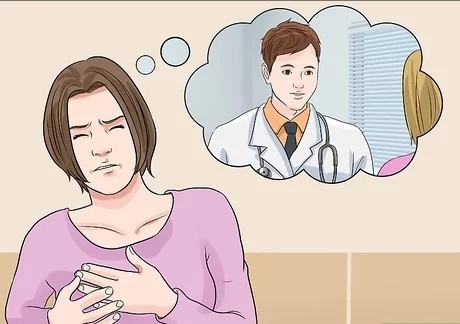
There are many possible reasons behind breast pain and soreness. Oftentimes, these can be linked to shifting hormones throughout the menstrual cycle, as it may cause breasts to expand and become tender. Moreover, pregnancy, breastfeeding, menopause, certain drugs and weight increase could also be responsible. Should the pain be severe or persists over a few days period, it is essential to visit your doctor for further assessment as it might signify an underlying health issue.
11 Ways to Manage Breast Pain and Tenderness
1. Pain Medication
Managing breast pain can involve a range of options, from over-the-counter and prescription medications to safer alternatives. Depending on the level of your symptoms and your health, certain medications like ibuprofen, acetaminophen and naproxen could provide relief.
If you are breastfeeding, it is essential to speak to your doctor before taking any medication as some may be present in breast milk. To reduce inflammation, you might use a cold pack or warm compress on the affected area, plus wearing a supportive bra might also help with the discomfort.
2. Change in Bras
Breast pain and tenderness can be eased by altering the bra you wear. Many women opt for bras that are too tight or provide inadequate support, resulting in pain and discomfort. To avoid this, try to find a bra that fits well and is made from breathable materials, providing support but not being overly tight.
If your suffering persists, you may wish to try sports bras as they offer more support than regular ones. If it remains an issue, then it's likely there is an underlying health condition, so you should visit a physician for further advice.
3. Ice Packs or Heating Pads
There are a few different ways you can manage breast pain and tenderness. Some women find relief from ice packs or heating pads, while others find that massaging the area helpful. You can also try wearing a supportive bra or taking over-the-counter pain medication. If your symptoms are severe, you may want to consider talking to your doctor about hormonal therapy.
4. Massage
The advantages of massage are many and include the reduction of stress and anxiety, the improvement of circulation, and the relieving of muscle tension. Additionally, massage can also be used to diminish breast tenderness and pain. It is essential to be gentle during a breast massage, avoiding any pressure on the nipples; instead, concentrate on the vicinity around them by doing circular or side-to-side movements.
5. Acupuncture
Acupuncture is an ancient Chinese procedure that utilizes the insertion of thin needles into certain points of the body. Supposedly, this improves energy circulation and assists in healing. Research suggests it can potentially provide relief for breast pain and tenderness. Before deciding to try acupuncture, consulting a qualified specialist who has experience treating such cases is recommended.
6. Dietary Changes
A balanced diet with plenty of fresh fruit and vegetables is important for managing breast pain and tenderness. Additionally, reduce your intake of caffeine and alcohol, as these can aggravate the issue. Furthermore, ensure you're getting enough vitamin D through exposure to sunlight or certain foods like eggs and fatty fish; this helps the body absorb calcium, necessary for strong bones and breasts.
7. Herbal Supplements
Herbal remedies provide an effective way to address breast pain and tenderness. Fenugreek is particularly popular, since it may not only improve lactation in breastfeeding moms, but also assist in digestive issues like indigestion and flatulence. Clove, ginger, turmeric, and lavender are all other great herbs used to soothe the discomfort.
8. Hormone Therapy
Various hormone therapies are available to treat breast pain and tenderness, such as estrogen which can be taken orally, in patch or cream form. This works to not only reduce the amount of breast tissue but also provide relief from the discomfort. Additionally, progesterone therapy and tamoxifen may also be used.
10. Surgery
If your pain or tenderness is caused by breast cancer, you may need surgery to remove the cancerous tissue. This can be a lumpectomy (removal of only the tumor) or a mastectomy (removal of the entire breast). If you have a lumpectomy, you may also need radiation therapy.
11. Doing Exercises Which Reduces Breast Pain
There are various exercises that can reduce breast pain and tenderness. Wall press, for instance, involves standing with your back against a wall and pressing your palms into it at chest level. Exhale then push your breasts away from the wall while holding this position for five seconds, before repeating this 10 times.
Arm circles involve holding your arms out to the side at shoulder level, making small circles with your wrists, gradually increasing the size until they make large circles. Do this for 30 seconds in each direction.
Lastly, gentle chest stretches can be beneficial - clasping hands behind head then gently pulling elbows back until you feel a stretch in chest muscles. Hold 20-30 seconds before releasing and repeat 2-3 times.
In conclusion, breast pain and tenderness can be a source of significant discomfort for many women, but thankfully there are many ways to effectively manage it. By understanding the underlying causes of breast pain, you can make lifestyle changes that will help to alleviate the symptoms. Additionally, exploring different therapies such as massage or aromatherapy may provide relief from persistent breast pain. Ultimately, finding what works best for your body is key in order to address and manage your breast pain and tenderness successfully.

Comments
Post a Comment