13 Warning Signs Your Body Gives You Before a Heart Attack
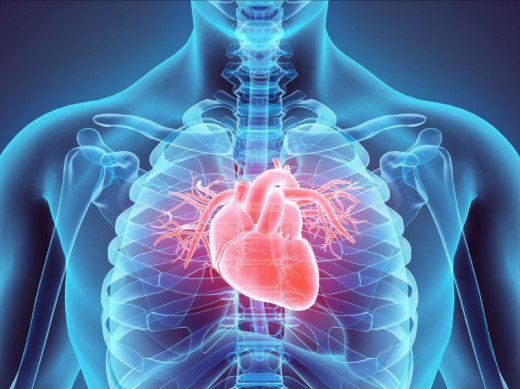
13 Warning Signs of a Heart Attack
Are you aware of the warning signs your body gives before a heart attack? Often, our bodies provide us with subtle hints that we tend to overlook. Identifying these signals can help prevent a fatal outcome and save lives. We've put together a comprehensive list of 13 warning signs your body may give you before experiencing a heart attack. Read on to learn more about what your body is telling you and how to take action towards maintaining good cardiovascular health!
13 Warning Signs of a Heart Attack
1. Shortness of Breath
One of the most common warning signs of a heart attack is shortness of breath. This can happen suddenly and without any warning, or it can come on gradually over a period of time. Shortness of breath can be caused by a number of factors, including heart disease, lung disease, and obesity. If you are experiencing shortness of breath, it is important to see your doctor right away to rule out any serious health conditions.
2. Chest Pain or Discomfort
When it comes to heart attacks, chest pain is typically the initial indicator. People may feel a tightness, heaviness, or squeezing sensation in their chests that could also extend to their jaw, neck, arms, or back.
It is vital to receive medical assistance immediately if any type of chest discomfort is present since it can be a sign of a heart attack. Always prioritize your health; even if it turns out not to be serious, you will have taken the right steps towards your wellbeing.
3. Nausea or Vomiting
Another common warning signs of a heart attack is nausea or vomiting. This can occur for a variety of reasons, but one of the most common is that the heart is not getting enough blood. When this happens, the body will try to get rid of any food that it has recently ingested in an attempt to lighten the load on the heart.
4. Fatigue
Most people may think of chest pain when it comes to a heart attack, but this isn't always the case. Fatigue is another most common warning signs and sometimes no chest pain is felt at all. If you’re feeling unusually exhausted or find that everyday activities are becoming more tiring than usual, you should seek medical help right away. If you're also experiencing any other symptoms such as shortness of breath, lightheadedness or palpitations, it might be an indication of a heart problem that needs to be addressed.
5. Lightheadedness or Dizziness
This is one of the earliest warning signs of a heart attack. It happens when not enough blood is reaching your brain. You may feel faint, like you’re about to pass out, or you may actually lose consciousness.
6. Sweating
When it comes to heart attacks, sweating is one of the most common warning signs. In fact, according to the American Heart Association, sweating is one of the top three symptoms experienced by both men and women. If you're suddenly sweating for no apparent reason, especially if you're also experiencing chest pain or shortness of breath, it's important to call 911 immediately.
7. Discomfort in the Arm or Shoulder
Most heart attacks involve discomfort in the center of the chest that lasts more than a few minutes, or it may go away and come back. It can feel like uncomfortable pressure, squeezing, fullness or pain. Discomfort in other areas of the upper body including the arms, left shoulder, neck, jaw or back often accompanies chest discomfort. It's important to remember that heartburn and indigestion can cause similar symptoms.
8. Anxiety
Anxiety is another common symptom of heart attack. It is often described as a feeling of impending doom or an overwhelming sense of worry. Other symptoms of anxiety can include chest pain, shortness of breath, racing heart, and sweating. If you are experiencing any of these symptoms, it is important to seek medical attention immediately.
9. Palpitations
Palpitations are often one of the first warning signs that something is wrong with your heart. They can feel like your heart is racing, fluttering, or pounding, and can be accompanied by a sensation of fullness or tightness in your chest. Palpitations can be caused by a variety of factors, including anxiety, stress, dehydration, and electrolyte imbalances. If you experience palpitations, it's important to see a doctor to rule out any underlying cardiovascular conditions.
10. Sleep Disturbances
Sleep disturbances are one of the most common warning signs of a heart attack. If you find yourself waking up in the middle of the night or having difficulty falling asleep, it could be a sign that your heart is under stress. If you have sleep apnea, you may be at an increased risk for a heart attack. If you snore loudly or wake up gasping for air, talk to your doctor about getting tested for sleep apnea.
11. Irregular Heartbeat
An irregular heartbeat, also called arrhythmia, is when your heart beats too fast, slow, or inconsistently. This can be a warning sign of a heart attack. If you experience an irregular heartbeat, it's important to see a doctor as soon as possible.
12. Cold Sweats
If you experience cold sweats without any other symptoms, it's probably nothing to worry about. However, if you have cold sweats along with chest pain or shortness of breath, it could be a warning sign of a heart attack.
When you have a heart attack, your heart muscle is deprived of oxygen-rich blood. This can cause your body to go into shock, and you may start to sweat as a result. Cold sweats are often one of the first warning signs that something is wrong.
If you experience cold sweats along with any other symptoms of a heart attack, call 911 immediately.
13. Difficulty Concentrating
It can be easy to brush off simple lapses in concentration as "one of those things" that happen from time to time, but if you're noticing that your concentration is slipping more and more, it could be a warning sign of a pending heart attack. It's important to pay attention to your body and take note of any changes so you can get help if you need it.
If you're finding it difficult to focus on tasks or conversations, especially ones that you would normally have no problem with, it could be a sign that your heart isn't getting enough blood flow. This can be caused by blockages in your arteries or other problems with your cardiovascular system. If you're having trouble concentrating, don't ignore it – talk to your doctor about what could be going on.
In conclusion, heart attacks can be life-threatening, so it’s important to recognize the warning signs your body may give you before a heart attack. Paying attention to these warning signs and taking action when they arise will help ensure that you stay healthy and safe. If you experience any of the symptoms listed above, don’t hesitate to contact your doctor immediately or make an appointment for further evaluation. Remember: if in doubt, seek medical advice!

Comments
Post a Comment