5 Considerations to Automate Your Weighing System
5 Considerations to Automate Your Weighing System
Would you like to have a more efficient and streamlined weighing process in your business? Automating your weighing system can offer countless benefits, including improved accuracy and productivity.
In this blog post, we'll explore 5 key considerations to help you decide if an automated weighing system is the right choice for your organization. Take a break, grab a cup of coffee, and read on to find out how automation can transform your weighing operations.
What is a Weighing System?
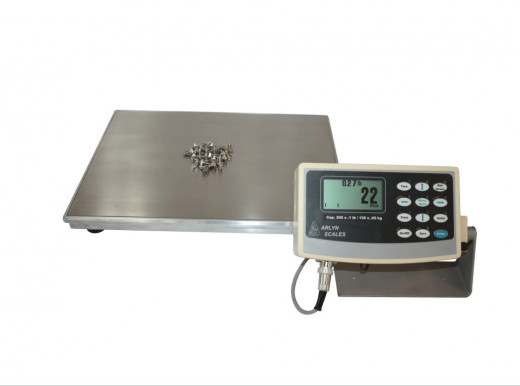
A weighing system is a device for determining the weight of an item. Electronic scales are the most popular, though mechanical, hydraulic and pneumatic scales exist as well. Weighing systems have many applications, from food processing to manufacturing and retail to research.
Depending on what needs to be weighed, the scale can be used for people, animals or objects and therefore certain aspects such as accuracy, capacity, resolution, and sensitivity must all be taken into account when deciding on a particular model.
The Different Types of Weighing Systems
Weighing systems come in many forms, offering varying advantages and disadvantages. Floor scales are the most common type and are frequently used for industrial purposes - they provide high accuracy and support large loads, yet come with a hefty price tag.
Retail settings often employ hanging scales instead, which may not be as precise but are cheaper and more straightforward to operate.
A third type is the bench scale - it offers increased accuracy than a hanging scale but is not as accurate or costly as its floor scale counterpart.
Pros and Cons of Automating Your Weighing System
When it comes to weighing systems, it is important to thoroughly evaluate the pros and cons before deciding whether or not to automate. Automation can provide a range of benefits, such as reduced operator error, increased productivity, improved traceability and enhanced safety features like overload protection. All these features can contribute to better accuracy and overall product quality as well as compliance with regulations.
Pros
- Lessening operator error: Automating the process can minimize human mistakes and make measurements more accurate.
- Amplified productiveness: By freeing up time spent on manual tasks, an automated system can jumpstart productivity.
- Advanced traceability: Features such as barcode scanners and printers allow tracking product progress throughout the production chain, making sure products meet quality and regulatory standards.
- Greater security: Some automated systems feature built-in safety elements such as overload protection helping decrease potential risks.
Cons
There are also some disadvantages to consider when deciding whether or not to automate your weighing system, including:
- Initial cost: Automated weighing systems can be more expensive than their manual counterparts. However, they often pay for themselves over time through increased efficiency and productivity.
- Automating process is complex
What to Consider When Automating Your Weighing System
When it comes to automating your weighing system, there are a few key factors to consider. First and foremost, you want to make sure that the system you select is accurate and precise. There are a number of different ways to measure accuracy and precision, so be sure to do your research and select a system that meets your specific needs.
In addition to accuracy and precision, you also want to consider the speed of the system. For many applications, speed is critical. The last thing you want is for your automated weighing system to slow down your production line. Thankfully, there are a number of high-speed options available on the market today.
Furthermore you will also need to consider the type of products you will be weighing. Different products may require different types of weighing systems or even multiple weighing systems in order to accurately weigh them all.
In addition you will also know to consider frequency of weighing the products. If you only need to weigh the products occasionally, a manual system might suffice. However, if you need to weigh the products frequently or on a large scale, an automated system would be more efficient.
Finally, you'll also want to consider the cost of automation. Weighing systems can range in price from a few hundred dollars to several thousand dollars. It's important to select a system that fits within your budget while still meeting your other criteria (accuracy, precision, speed, etc.).
How to Get Started With an Automated Weighing System
Once you have decided to invest in an automated weighing system, the first step is researching which system best suits your needs. After making a purchase, it's time to install and set up the system. To ensure that it runs correctly, instructions must be followed carefully. Calibration is also essential in order to guarantee accuracy. This requires following instructions carefully as well. Finally, check the accuracy of your system regularly by performing tests.
In conclusion, automating your weighing system is an excellent way to raise precision, efficacy and decrease labor expenses. It may be beneficial for organizations of any size to keep the succeeding five considerations in mind when setting up their weigh scale systems. These guidelines will assist you in automating your weighing system more rapidly and efficiently than ever before!

Comments
Post a Comment