Digital Ledgers vs. Databases: Advantages and Disadvantages
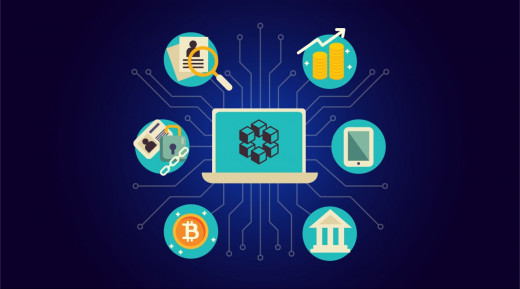
Digital Ledgers vs. Databases: Advantages and Disadvantages
Welcome to the ultimate comparison between digital ledgers and databases! Technology is advancing quickly, introducing new ways of storing and managing data.
In this post, we'll look at the key distinctions between these popular approaches for preserving records. We'll cover topics ranging from security to scalability and show you how to pick the best option for your business requirements. Let's get into it - this stimulating discussion is sure to change how you approach data storage!
What is a Digital Ledger?
A digital ledger is a record of all the transactions that have taken place in a given system, physical or electronic. It offers flexibility and security for the transfer of ownership, enabling tracking of assets, which are not possible with a database.
What is a Database?
A database is a collection of data that can be accessed by computers. The data is organized in a way that makes it easy to find and use.
Databases are used to store a wide range of information such as customer records, product inventory, and financial transactions. They are essential for businesses in helping them track and manage data effectively.
On the other hand, digital ledgers have several key points of difference from databases. These consist of being decentralized, meaning one central authority does not oversee them, thus increasing their resistance to fraud and tampering. Furthermore, cryptography is used to secure data in these ledgers adding an extra layer of defense.
How Do Digital Ledgers and Databases Differ?
Digital ledgers differ from traditional databases in several key ways:
- Ledgers are decentralized, meaning they are not controlled by a single entity. This makes them more resistant to tampering and fraud.
- Ledgers use cryptography to secure their data, making it very difficult for unauthorized users to access or modify the data.
- Ledgers can be public or private. Public ledgers, such as the Bitcoin blockchain, are available for anyone to view and verify. Private ledgers can only be accessed by authorized users.
- Ledgers often use consensus mechanisms, such as Proof of Work or Proof of Stake, to ensure that the data on the ledger is accurate and tamper-proof.
Pros and Cons of Digital Ledgers vs. Databases
Using digital ledgers over databases bring several benefits, particularly their immutability and ease of auditing, which guarantee the accuracy and security of the data. However, some drawbacks should be taken into account, such as the cost of setup and maintenance, as well as scalability in case of sudden expansion. Below is more detail on their advantages and disadvantages:
Advantages of Digital Ledgers
Digital ledgers have many advantages over traditional databases, including:
- Increased security: Digital ledgers are much more difficult to hack than databases, due to their distributed nature and increased encryption.
- Greater transparency: All transactions on a digital ledger are visible to all participants, which increases transparency and accountability.
- Faster transaction times: Transactions on digital ledgers are typically processed much faster than those on traditional databases.
- Reduced costs: Because digital ledgers are more efficient than databases, they can help reduce costs associated with transaction processing and data storage.
Disadvantages of Digital Ledgers
Digital ledgers may come with a few disadvantages compared to databases. Understanding them can be difficult for the average person, and maintaining them can become expensive. Furthermore, if not kept up-to-date, their accuracy is liable to deteriorate over time.
Advantages of Databases
A database is an organized collection of data, typically stored in electronic form. It can store anything from a single record to huge amounts of information; making it easy and convenient to access, search and update.
Companies use them to maintain customer details, inventory, and sales records. Compared to files or paper-based storage, databases provide many advantages such as taking up less space, greater security, and ease of use.
Disadvantages of databases
Despite their benefits, databases also come with drawbacks. Creating and overseeing them may be an expensive process that require a skilled team. Even more, databases might be slow when dealing with a lot of data and, if not taken care of properly, they can crash and cause the loss of important information.
Which is Better for Your Business: A Digital Ledger or Database?
There are many factors to consider when deciding whether a digital ledger or database is better for your business. Here are a few key considerations:
- Cost: Digital ledgers are often more expensive than databases, due to the need for specialized hardware and software.
- Ease of use: Databases are typically easier to use than digital ledgers, as they require less technical expertise.
- Security: Digital ledgers are generally more secure than databases, as they are designed to be tamper-resistant.
- Flexibility: Databases offer more flexibility than digital ledgers, as they can be easily customized to meet the specific needs of your business.
- Scalability: Digital ledgers are often more scalable than databases, as they can handle larger amounts of data more efficiently.
In conclusion, digital ledgers and databases both have their advantages, but it's clear that digital ledgers are the better option for businesses seeking to increase security and transparency. With its cryptographic protocols, distributed architecture, and decentralized nature, a digital ledger offers an unparalleled level of trustworthiness that is unrivaled by traditional databases. Furthermore, as more people become comfortable using cryptocurrency payments powered by blockchain technology built upon digital ledgers, businesses can benefit from cost savings related to transaction fees associated with these types of payments. Ultimately, it's clear that digital ledgers are set to revolutionize how we conduct business in the future.

Comments
Post a Comment