The Future of Blockchain in Supply Chain
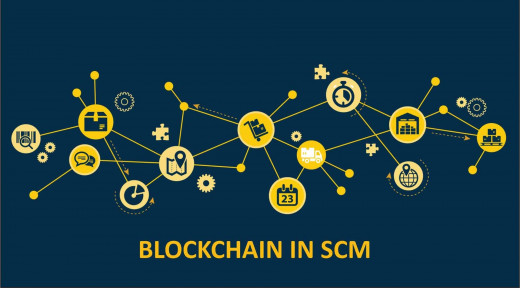
The Future of Blockchain in Supply Chain
Blockchain technology has taken the world by storm in recent years, and for good reason. With its decentralized and transparent nature, it presents a multitude of possibilities across various industries. One sector that could greatly benefit from blockchain is supply chain management.
In this blog post, we will explore the future of blockchain in supply chain and how it can revolutionize the way businesses operate on a global scale. From ensuring transparency to improving efficiency, let's delve into what lies ahead for this exciting technology!
What is Blockchain?
A blockchain is a shared digital ledger that allows supply chain participants to record transactions and share critical information in a secure, tamper-proof way.
Blockchain in Supply Chain Management
The potential for blockchain to streamline and secure supply chain management is staggering. By digitizing the entire supply chain process and creating a decentralized ledger of all transactions, blockchain could provide near-real-time visibility into the movement of goods, parts, and materials—across the globe. This would allow businesses to more quickly identify disruptions in their supply chains and take corrective action. In addition, by using smart contracts to automate key processes and transactions, businesses could further reduce costs and increase efficiency.
Early adopters have already begun to harness the advantages that blockchain technology offers for supply chain management. Maersk, the world's preeminent container shipping company, and IBM have collaborated to launch a blockchain-based platform that keeps track of containers as they move around the globe. Several large corporations, such as Dow Chemical and DuPont, are already utilizing it. It is predicted that more organizations will start to incorporate blockchain into their supply chain operations in the future.
How Does Blockchain Work in Supply Chain?
Blockchain is a distributed database that allows all participants in a network to view and add to the same record of transactions. This shared ledger can be employed to monitor the movement of goods throughout the supply chain, from supplier to customer.
By consensus of network players, every transaction on blockchain is verified, ensuring that each party agrees on the accuracy of the data - making it an optimal choice for supply chain applications as it provides an unchangeable document for all dealings.
Moreover, smart contracts enabled by blockchain technology are self-executing deals which activate when specific conditions are satisfied. For instance, a smart contract can automatically transfer payment to a supplier once their consignment has been received - thus helping reduce delays and disagreements along the supply chain.
Although the usage of blockchain in this sector is still very much in its infancy, there have already been some incredible pilot projects launched. IBM and Maersk have been working together on a blockchain platform designed to track maritime shipping containers; this could potentially revolutionize global trade - faster, simpler and more affordable than ever before.
Benefits of Blockchain in Supply Chain
Blockchain technology can offer a number of benefits to supply chain management, including:
- Increased transparency and traceability: Blockchain technology can help to create a more transparent and traceable supply chain. By providing a shared, immutable ledger of all transactions, blockchain can help to improve visibility and collaboration across the supply chain. This could lead to improved efficiency and reduced costs.
- Enhanced security: Blockchain technology can help to secure supply chain data and transactions. The decentralized nature of blockchain means that there is no single point of failure, making it more resistant to hacks and fraud. Additionally, smart contracts can automate processes and help to enforce rules and regulations.
- Improved sustainability: Blockchain technology can help to make supply chains more sustainable. For example, by tracking the provenance of goods, blockchain can help to reduce waste and fraud in the food supply chain. Additionally, blockchain-based carbon offsetting systems could help businesses offset their emissions in a more transparent and efficient way.
- Increased efficiency: Blockchain technology has the potential to streamline supply chain processes and make them more efficient. For instance, automated smart contracts could be used to manage orders and payments between different parties. This could lead to faster turnaround times and reduced administrative costs
Challenges of Implementing Blockchain in Supply Chain
The obstacles to incorporating blockchain into the supply chain are manifold. Probably the most intimidating of them is the requirement to build a communal framework that all parties in the supply chain can access. This necessitates an impressive level of coordination and collaboration across companies, something that is not always simple to accomplish.
Moreover, there is the additional technical complexity posed by blockchain itself, which may increase the intricacy of supply chain management even further. In addition, questions around security and scalability have been raised, as well as apprehensions about possible disruption if it is not used correctly.
All of these challenges need to be addressed before blockchain can be successfully implemented in supply chain management. But if done right, the benefits of using blockchain could be huge, transforming the way supply chains operate and making them more efficient, transparent, and secure.
Case Studies of Blockchain in Supply Chain
There are several examples of blockchain implementations in supply chain management. IBM and Maersk have created a platform with the intention of driving transparency and efficiency throughout shipping, likely having a positive effect on many aspects of the supply chain.
Similarly, Walmart is utilizing this technology to track food products along its own chain, allowing for quick identification of any risks connected to food safety, as well as giving buyers information regarding their food's origin.
These are just two examples of how blockchain is being used in the supply chain management space. It is clear that there is a lot of potential for this technology to revolutionize the way that supply chains operate.
Future of Blockchain in Supply Chain
There is no doubt that blockchain technology has the potential to transform supply chain management. By furnishing a secure and decentralized platform to monitor assets and materials, blockchain can improve the efficiency and transparency of supply chains. In the foreseeable future, it is very likely that blockchain-based supply chain arrangements will become commonplace - delivering advantages for businesses and individuals.
However, the integration of blockchain in supply chain management is still in its infancy. There needs to be progress in overcoming certain matters before widespread adoption can take place - such as addressing scalability problems to ensure that the systems are able to cope with massive volumes of data, plus dealing with regulatory issues so companies are assured in using these methods.
Despite these challenges, the potential of blockchain in supply chain management is clear. In the future, blockchain could help businesses to optimize their operations, save costs, and improve transparency.
Risks Associated With Using Blockchain in Supply Chain
Using blockchain in supply chain management may present certain risks. Being a relatively new technology, few people understand its workings completely, which could lead to errors in the design or implementation of such a system. Moreover, since it is decentralized, troubleshooting any issues that arise becomes more challenging. Furthermore, if not set up carefully, security breaches may occur due to potential vulnerabilities that hackers could exploit to get their hands on sensitive information or disrupt operations.
In conclusion, the future of blockchain in supply chain is very promising. By leveraging the power of distributed ledger technology, businesses can create a secure and transparent network for their operations. This will help them to reduce costs, increase efficiency, and ensure that all business practices are compliant with industry standards. Furthermore, by integrating data from multiple sources into one platform, companies can gain valuable insights about performance levels throughout the supply chain which can be used to inform decisions regarding pricing policies or customer service strategies.

Comments
Post a Comment