Fish Farming Business Plan For Beginners
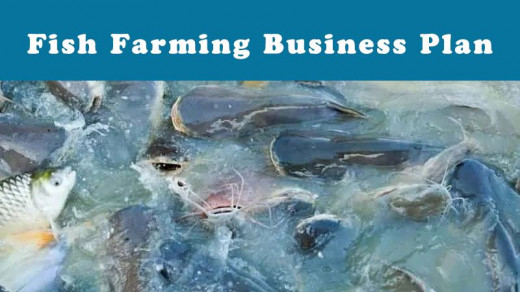
Fish Farming Business Plan For Beginners
Are you looking for a profitable and sustainable business idea? Have you considered fish farming? Fish farming is an excellent way to generate income while contributing to food security. This practice involves raising fish in tanks, ponds, or other water systems and has been gaining popularity among entrepreneurs worldwide. A well-structured fish farming business plan can help ensure success in this industry. In this article, we will explore the benefits of fish farming, the types of fish that can be farmed, the costs involved in starting a fish farm and provide tips for beginners on how to get started in this exciting venture!
What is Fish Farming?
Fish farming, also known as aquaculture, is the practice of raising fish in controlled environments. These can be tanks, ponds or other bodies of water that are specifically designed for this purpose. The goal of fish farming is to produce a consistent supply of healthy and high-quality fish for human consumption.
There are several different methods used in fish farming including cage culture, raceway systems and recirculating aquaculture systems (RAS). Cage culture involves placing the fish in cages that are suspended in open water while raceway systems use long channels to circulate water through which the fish swim. RAS uses a closed-loop system where the same water is recycled continuously with filters removing any waste products.
Fish farming has become an increasingly popular industry across the world due to its many economic and environmental benefits. With careful planning and management practices, entrepreneurs can successfully enter this profitable industry!
The Benefits of Fish Farming
The benefits of fish farming are numerous and can be enjoyed by both the farmer and the consumer.
Firstly, fish farming is a sustainable way to provide food for our growing population without depleting wild fish populations. By raising fish in controlled environments, farmers can ensure that their practices are environmentally friendly and protect natural habitats.
Furthermore, farmed fish are typically free from contaminants such as mercury or PCBs found in some wild-caught varieties. This makes them a healthier option for consumers who want to enjoy seafood without worrying about potential health risks.
In addition to being healthy, farm-raised fish are often more affordable than their wild counterparts due to lower production costs. This means that consumers on a budget can still enjoy high-quality seafood without breaking the bank.
Moreover, fish farming provides economic opportunities for local communities. It creates jobs in areas where traditional industries may have declined and offers entrepreneurs the chance to start their own businesses.
There are many benefits of fish farming that make it an attractive industry for both producers and consumers alike. As demand for sustainable seafood continues to grow, this sector will likely continue its upward trajectory as an important player in global food production.
The Types of Fish Farmed
There are different types of fish that can be farmed. The choice of type depends on various factors such as market demand, climate, water quality and availability.
One common type of fish farmed is tilapia. Tilapia is a fast-growing species with high resistance to disease. It can thrive in warm waters and has a mild taste that makes it popular among consumers.
Another commonly farmed fish is catfish. Catfish farming requires minimal investment and expertise yet yields high returns due to its popularity among consumers.
Trout is also suitable for aquaculture but requires cold water temperatures below 20°C. Its ability to adapt well to different aquatic environments makes it an ideal candidate for commercial production.
Salmon farming is another lucrative venture, especially since salmon has become more popular worldwide due to its nutritional value. However, salmon farms require large capital investments and highly skilled labor.
Other types of farmed fish include carp, barramundi and sea bass which all have their unique characteristics making them suitable for specific production systems or regions.
Choosing the right type of fish to farm requires careful consideration of various factors such as market demands, environmental conditions and available resources.
The Costs of Starting a Fish Farm
Starting a fish farm can be both an exciting and daunting experience for beginners. One of the first things to consider is the costs involved in setting up a fish farm. These costs will depend on various factors such as location, size of the farm, equipment needed, and type of fish species you plan to raise.
The costliest expense when starting a fish farm is usually land acquisition or leasing fees depending on your preferred location. The type of soil available for farming also affects the overall cost as it may require additional preparation before construction work begins.
Other essential expenditures include purchasing tanks or ponds that are suitable for raising different types of fish species, water supply systems, pumps and filters, aerators including electricity bills necessary to power all these devices.
In addition to equipment purchases expenses like buying small fishes (fingerlings) from suppliers who specialize in breeding high-quality stock should not be overlooked. Feeding supplies are another significant cost factor that must be considered; while some farmers grow their food using duckweed plants in ponds others opt for commercial feeds that drive up operational costs but increase productivity levels.
It's important to keep track of every expense incurred during startup since this information helps with future budgeting planning which ultimately leads you towards profitability goals.
How to Start a Fish Farm
Starting a fish farm is not an easy feat, but it can be incredibly rewarding. To get started, you need to have a solid plan in place. Here are some steps to consider when starting your own fish farm.
Firstly, you will need to choose the type of fish that you want to farm. This decision should be based on factors such as market demand and climate conditions. Some popular types of farmed fish include tilapia, catfish, salmon and trout.
Next, you will need to determine the size of your operation and find suitable land or building space for your farm. You may also need permits from local authorities before getting started.
Once you have secured your location, it's time to set up the physical infrastructure for your fish farm. This includes tanks or ponds for holding the fish and filtration systems for maintaining water quality.
You'll also need to source fingerlings (young fish) from a reputable supplier and feed them appropriately until they reach maturity.
Marketing is another important aspect of running a successful fish farming business. Establishing relationships with local restaurants or grocery stores can help ensure consistent sales of your product.
Starting a successful fish farming business requires careful planning and attention to detail throughout every stage of development.
Tips for Success in Fish Farming
To succeed in fish farming, there are some tips you should consider to ensure that you get the best results. Firstly, always start small and learn as much as possible about the types of fish you plan to farm. This will help you avoid common mistakes and develop a good understanding of your market.
Secondly, choose a suitable location for your fish farm. Consider factors such as water quality, accessibility, and proximity to markets. You also need to ensure that the area is secure from predators or thieves.
Thirdly, invest in high-quality equipment and technology for your fish farm. This includes tanks or ponds, pumps, nets and other items that are specific to your chosen type of fish.
Fourthly, create a business plan that outlines all aspects of your operation including production costs, marketing strategies and expected returns on investment. A well-planned strategy can help keep track of progress towards achieving goals while ensuring long-term sustainability.
Seek advice from experts in the field so that you can stay updated with new techniques or strategies for improving profitability on farms like yours.
By following these tips diligently over time with persistence - success is inevitable!
In conclusion, fish farming is a lucrative and rewarding business with enormous potential for growth. With the right planning, dedication, and hard work, anyone can start a successful fish farming venture.
Remember that starting any business requires careful consideration of costs, resources required, marketing strategies and many other factors. But with proper research done beforehand to create an effective business plan that includes all the necessary components such as market analysis, financial projections and operational details; you will be on your way towards achieving success in this industry.
Moreover, take advantage of various government programmes aimed at promoting agriculture which might offer funding opportunities or technical support to those interested in venturing into Fish farming. It's also important to stay informed about best practices for maintaining fish health through feeding them adequately while keeping water quality good enough for their survival.
Lastly but not leastly don't forget to market your products effectively by leveraging social media platforms like Facebook or Instagram where you can build relationships with customers who appreciate natural food sources that are sustainably produced without harmful chemicals or environmental damage. Good luck on your journey!

Comments
Post a Comment