Sustainable Practices You Need to Know
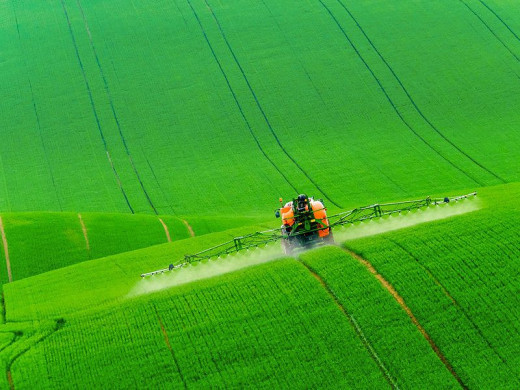
Going Green on the Farm: Sustainable Practices You Need to Know
Farming has always been an essential part of human life, providing us with food and resources that sustain our daily lives. But as the world continues to evolve, so must our farming practices. Going green on the farm is no longer just a trend but a necessary step towards sustainability. From reducing greenhouse gas emissions to preserving natural resources, there are countless benefits to adopting eco-friendly practices in agriculture. So if you're ready to take your farming game to the next level, read on for some practical tips on how you can go green on the farm!
The Benefits of Going Green
Going green on the farm can bring about numerous benefits, not just for the environment but also for farmers' productivity and profitability. One of the biggest advantages is that sustainable practices help preserve natural resources such as soil, water, and air quality. This means that by going green, we can ensure that these vital resources are conserved for future generations.
Another benefit of adopting sustainable farming practices is improved biodiversity. By promoting biodiversity through crop rotation and intercropping, farmers can create a more diverse ecosystem on their farms. This helps to support beneficial insects like pollinators and pest predators which in turn increases yields while reducing reliance on pesticides.
Furthermore, going green also has positive effects on human health. Pesticides used in conventional farming methods have been linked to various health issues including cancer and respiratory problems. With sustainable agriculture methods, there's significantly less use of harmful chemicals which reduces exposure risks to both farmers and consumers alike.
Implementing eco-friendly practices can be a great marketing tool for farmers looking to differentiate themselves from competitors who still rely heavily on conventional farming techniques. Consumers are becoming increasingly aware of environmental concerns and are more likely to choose products from eco-conscious producers.
By embracing sustainability in agriculture now rather than later will not only enhance our planet’s wellbeing but also assist with keeping up with consumer trends among other things
Different Ways to Go Green on the Farm
There are many ways to go green on the farm, and every farmer can find a strategy that works best for their operation. Here are some ideas:
1. Use organic practices: Choosing to use natural fertilizers and pesticides instead of synthetic chemicals is one way to reduce your environmental impact.
2. Implement water conservation methods: Water is essential for farming, but it's also a limited resource in many areas. Consider using drip irrigation or rainwater harvesting systems to minimize waste.
3. Reduce energy consumption: From tractors to barn lights, there are plenty of places where you can cut back on energy usage by choosing more efficient equipment or switching to renewable sources like solar power.
4. Practice crop rotation and cover cropping: These techniques help build healthy soil while minimizing erosion and nutrient depletion.
5. Adopt regenerative agriculture practices: This holistic approach focuses on restoring soil health, biodiversity, and ecosystem function through integrated livestock grazing management, reduced tillage farming system etc.
6. Consider alternative transportation methods such as electric vehicles or bicycles when moving around the farm premises
By prioritizing sustainability in both small and large-scale operations alike, farmers have an opportunity not only to protect our planet but also increase productivity over time by improving soil health and reducing costs associated with traditional agricultural methods
How to Implement Green Practices on Your Farm
Implementing green practices on your farm can be daunting, but it is necessary to ensure a sustainable future for agriculture. Here are some tips on how to implement green practices:
Start with soil health: Healthy soil means healthy crops and less need for chemical fertilizers. Invest in organic compost or manure and consider crop rotation.
Reduce waste: Waste not only harms the environment but also wastes resources and money. Consider reusing materials as much as possible, such as using rainwater for irrigation or recycling plastic mulch.
Go solar: Solar energy is becoming more accessible and affordable every year. Install solar panels on your farm to reduce emissions and save money on electricity bills.
Use natural pest control methods: Chemical pesticides harm beneficial insects along with pests, leading to a decrease in biodiversity. Use natural pest control methods instead, like planting companion plants that repel pests or introducing predatory insects.
Participate in local food systems: Selling locally reduces transportation emissions while supporting the local economy. Attend farmers' markets or join a community-supported agriculture program.
By implementing these practices, you will not only benefit the environment but also improve the long-term sustainability of your farm operations.
In conclusion, going green on the farm is not only beneficial for our environment and health but also financially advantageous in the long run. By implementing sustainable practices such as crop rotation, organic farming methods, and renewable energy sources, farmers can significantly reduce their carbon footprint while increasing productivity. It's time to shift towards a more eco-friendly approach in agriculture and make a positive impact on the planet. As consumers become increasingly conscious of sustainability issues, adopting green farming practices will also help farmers stay relevant in today's market. Let us all work together towards a more sustainable future for our farms and our world!

Comments
Post a Comment