From Siri To Alexa: The Evolution Of Voice Assistants In Tech Industry
From Siri To Alexa: The Evolution Of Voice Assistants In Tech Industry
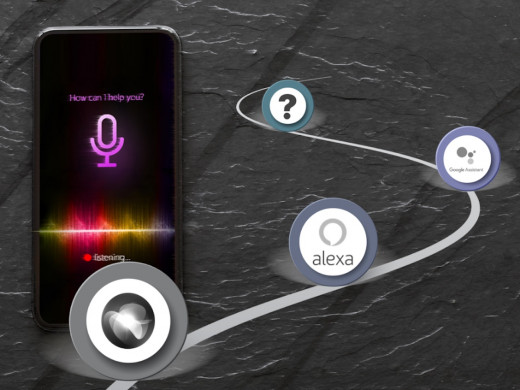
In a world where technology is advancing at an unprecedented speed, voice assistants have become the latest trend in the tech industry. From Siri's introduction on iPhones to Alexa's integration into smart homes, the evolution of voice assistants has been remarkable. These intelligent virtual assistants are changing the way we interact with our devices and transforming our daily lives.
In this blog post, we'll take a closer look at how they've evolved over time and explore their impact on the future of technology. So sit back, relax, and let's dive into this exciting topic!
The Early Days of Voice Assistants: Siri
When Siri was introduced in 2011 as a feature on the iPhone 4S, it was revolutionary. The voice assistant allowed users to ask questions and perform tasks without typing or tapping their phone's screen. Siri quickly became a popular tool for setting reminders, sending messages, and finding information.
However, early versions of the technology were limited in terms of accuracy and functionality. Users often had to repeat commands or rephrase their questions for Siri to understand them properly. Additionally, the voice assistant could only perform certain tasks such as opening apps or making phone calls.
Despite these limitations, Siri paved the way for the development of more advanced voice assistants like Alexa and Google Assistant. Its introduction signaled that there was demand among consumers for this type of technology – one that could make our lives easier by simplifying everyday tasks through natural language interactions.
Today, many people use Siri not just on their iPhones but also on other Apple devices such as iPads and Macs. While it may have been rudimentary compared to today's standards, Siri remains an important piece of tech history that helped lay the foundation for future advancements in virtual assistants.
The Current Landscape of Voice Assistants
The current landscape of voice assistants is diverse and ever-growing. From Siri to Alexa, the competition in this market is fierce, with each company trying to outdo one another with new features and capabilities.
One major trend in the current landscape of voice assistants is their integration into smart home devices. With the rise of technology like Amazon Echo and Google Home, homeowners can control everything from their lights to their thermostat using just their voice.
Voice assistants are also being integrated into cars, allowing drivers to make calls, send messages, or get directions without taking their hands off the wheel. This added convenience has made them a popular choice for those who spend a lot of time on the road.
Another notable development in this space is multi-language support. As more people around the world adopt these technologies, companies are working hard to ensure that they can communicate effectively regardless of language barriers.
The current landscape of voice assistants continues to evolve rapidly as companies invest heavily in research and development. As such, we can expect even more exciting developments in this field over time!
The Future of Voice Assistants
The future of voice assistants is looking bright and exciting. With advancements in technology, we can expect to see improvements in the accuracy and intelligence of these virtual assistants. One area that will likely see significant growth is natural language processing – giving voice assistants the ability to understand subtle nuances and context.
As more people adopt smart home technology, there will be an increased demand for seamless integration between devices. Voice assistants like Alexa and Google Assistant are already making strides in this area; however, we can expect them to become even more integrated with our daily lives.
Another trend we may see is the emergence of specialized voice assistants designed for specific industries or tasks. For example, a doctor could use a medical-focused assistant to quickly access patient information hands-free during surgery or consultations.
As privacy concerns continue to grow, voice assistant companies will need to find ways to better protect user data while still providing personalized experiences. This could lead to new developments in on-device processing or other innovative solutions.
It's clear that voice assistants are here to stay and will only continue evolving as technology advances further. It'll be exciting to see what new uses cases emerge over time!
How Voice Assistants are Changing the Tech Industry
Voice assistants are revolutionizing the tech industry in ways that were unimaginable just a few years ago. They have changed our daily routines, allowing us to multitask and accomplish tasks with ease. In turn, this has brought about a shift in how companies approach their products and services.
One of the biggest changes is the way people interact with technology. Voice assistants allow users to communicate naturally, without having to learn complex commands or navigate through menus. This means that businesses need to create interfaces that are conversational, intuitive and user-friendly.
Moreover, voice assistants have opened up new possibilities for accessibility. People who may have difficulty using traditional interfaces can now access information and services simply by speaking out loud.
Additionally, voice assistants provide valuable data insights on user behavior and preferences which can help companies better understand their customers' needs and wants. With such information at hand, businesses can make more informed decisions on product development and marketing strategies.
Voice assistants also present opportunities for innovation by enabling integration across different platforms such as smart homes or cars – making them an integral part of our lives.
Voice assistants are transforming the tech industry by changing how we interact with technology while providing vast business advantages such as enhanced accessibility along with behavioral data insights leading towards innovation prospects for future advancements in this field.
In conclusion, voice assistants have come a long way since the arrival of Siri in 2011. As technology continues to evolve, it's clear that voice assistants are becoming more and more integrated into our daily lives. From playing music to setting reminders and controlling smart homes, these intelligent devices have made it easier than ever to multitask.
The future looks bright for voice assistants as they continue to become smarter and more intuitive. With advancements such as natural language processing, machine learning, and artificial intelligence, we can expect them to be even more helpful in our everyday lives.
As consumers continue to demand seamless integration between their devices and services, we can expect tech companies like Amazon, Google, Apple and Microsoft will keep innovating with their virtual assistant technologies.
Voice assistants are changing the way people interact with technology by making it simpler or effortless using only verbal commands. We're excited about what is in store for this exciting field!


Comments
Post a Comment