How AI is Revolutionizing Healthcare
How AI is Revolutionizing Healthcare
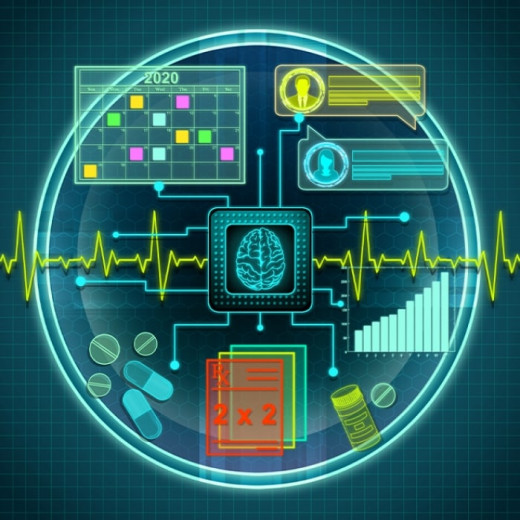
The healthcare industry is constantly evolving to provide better and more efficient care for patients. One of the most significant advancements in recent years is the integration of artificial intelligence (AI) and robotics into healthcare systems. From personalized medicine to virtual consultations, AI has revolutionized how we approach healthcare.
In this blog post, we will explore the various applications of AI in different sectors of healthcare and discuss how it has impacted patient care in the wake of a pandemic. Get ready to learn just how much AI is transforming the world of healthcare as we know it!
AI and Robotics Transforming Healthcare
AI and robotics are transforming healthcare in ways that were once thought to be impossible. With the help of these technologies, we can now diagnose diseases more accurately and treat patients with greater precision. Robotics has also become a crucial tool for surgeries, allowing for less invasive procedures and faster recovery times.
In addition to improving patient outcomes, AI and robotics have also made healthcare systems more efficient. By automating routine tasks such as appointment scheduling and medical record keeping, doctors and nurses can focus on providing quality care to their patients.
Another area where AI is making waves is drug development. By analyzing vast amounts of data from clinical trials, scientists can identify potential treatments faster than ever before. This technology is already being used to develop new drugs for cancer treatment, Alzheimer's disease, and other illnesses.
It's clear that AI and robotics are transforming the way we approach healthcare. As these technologies continue to improve, we can expect even more exciting advancements in the years ahead!
AI Applications in Different Sectors of Healthcare
AI applications in different sectors of healthcare are transforming the way we perceive medical technology. Data analysis, pattern recognition and machine learning algorithms can be applied to many areas of healthcare including drug discovery, personalized medicine, clinical decision making and more.
One area where AI is particularly useful is radiology. Machine learning models are being developed which can analyze X-rays, CT scans and MRI images with greater accuracy than humans. This means that doctors can receive faster diagnoses with less risk of error.
Another application for AI in healthcare is drug development. By analyzing vast amounts of data from previous trials, researchers can identify potential new drugs or repurpose existing ones for other conditions. This could lead to more effective treatments being available sooner for patients who need them.
In addition to these applications, AI is also helping improve patient care by predicting readmissions and preventing hospital-acquired infections. It's clear that this technology has the potential to revolutionize all aspects of healthcare as we know it today
AI Healthcare Revolution in the Pandemic's Wake
The COVID-19 pandemic has been a gamechanger for the healthcare industry, and AI technology has played a crucial role in revolutionizing it. The pandemic has increased the demand for virtual healthcare services and remote patient monitoring, which was made possible by AI-powered tools.
AI algorithms have helped healthcare professionals in identifying patients who are at high risk of developing severe health complications due to COVID-19. It has also enabled them to monitor patients remotely, reducing their exposure to the virus while still receiving quality care.
Furthermore, AI-enabled chatbots and virtual assistants have become increasingly popular during the pandemic as they help reduce unnecessary physical contact between patients and healthcare workers. Patients can now receive medical advice from these automated systems without having to visit hospitals or clinics physically.
AI technology is also being used extensively in drug discovery research related to COVID-19 treatments. Machine learning algorithms analyze large amounts of data on potential drug candidates that could be effective against coronavirus strains.
AI technology's vital role in revolutionizing healthcare cannot be overstated - especially during this pandemic. As we continue navigating through these challenging times ahead, there is no doubt that further advancements will emerge as we find more ways where AI can enhance our response and treatment capabilities against future pandemics or outbreaks.
Personalized Healthcare
Personalized healthcare is one of the most promising applications of AI in healthcare. By using machine learning algorithms, doctors can predict diseases before they occur and personalize treatment plans for patients based on their genetic makeup, lifestyle, and medical history.
One example of personalized healthcare is precision medicine. This approach to patient care takes into account each individual's unique genetics, environment, behavior, and lifestyle to provide tailored diagnoses and treatments that are more effective than traditional approaches.
AI-powered predictive analytics tools also have the potential to revolutionize how doctors diagnose and treat diseases like cancer. By analyzing large amounts of data from electronic health records (EHRs), lab tests, imaging studies, genomic sequencing results, and other sources of information about a patient's health status over time doctors can identify patterns that suggest a higher risk for certain conditions.
Moreover, AI helps clinicians make faster decisions by providing real-time insights into a patient's condition or trajectory based on data collected by wearable devices such as smartwatches or health monitoring apps. With these tools at their disposal physicians can take proactive steps to prevent disease progression before it becomes severe which ultimately improves outcomes while lowering costs.
Personalized care has shown great promise in improving outcomes for patients with chronic illnesses including diabetes heart disease arthritis Alzheimer's among others. As AI continues to evolve so will its application in personalizing healthcare thereby ensuring better quality care delivery!
Digital Diagnostics
Digital diagnostics is one of the most exciting applications of AI in healthcare. With AI, it is now possible to develop algorithms that can accurately analyze medical imagery and provide accurate diagnoses.
The use of digital diagnostics has transformed the way doctors diagnose diseases and conditions. Instead of relying on their experience alone, doctors can now use advanced imaging techniques and AI-powered tools to obtain more detailed information about a patient's condition.
AI-assisted diagnosis provides greater accuracy than traditional methods since it identifies patterns that would be difficult for humans to detect. This helps doctors make faster decisions, which can save lives in critical situations.
One area where digital diagnostics are making a big impact is radiology. The technology makes it possible for radiologists to quickly analyze large volumes of images with increased precision and speed. Digital diagnostic tools have also been developed for other fields such as cardiology, dermatology, and ophthalmology.
Digital diagnostics have revolutionized how healthcare professionals diagnose patients by providing fast and accurate results using advanced AI algorithms. As technology continues to evolve at an unprecedented pace, we will see even more innovative solutions emerge in the future!
AI in Virtual Healthcare
AI has also been making significant strides in the virtual healthcare sector. Telemedicine and remote consultations have become more prevalent due to the pandemic, and AI is now being utilized to enhance these services further.
One of the key benefits of AI in virtual healthcare is its ability to improve diagnosis accuracy. Through machine learning algorithms, AI can analyze vast amounts of medical data and assist doctors in identifying potential health issues accurately.
In addition, AI-powered chatbots are becoming common tools for triage services. Patients can use them to describe symptoms or ask questions about their health before seeing a doctor in person or virtually. These chatbots provide patients with quick responses while reducing wait times for appointments.
Moreover, Virtual reality (VR) technology combined with AI is paving new ways for innovative therapy options. VR simulations designed by physicians allow patients to experience therapies firsthand during their remote sessions; this allows doctors better insight into treatment effectiveness as well as increases patient engagement and satisfaction levels.
It's clear that virtual healthcare will continue playing an important role post-pandemic, especially since there has been a notable increase in demand for telemedicine services worldwide. With advanced technologies like AI powering these solutions forward, we could see even greater advancements towards personalized care delivery through our screens!
AI in Gen Z's Personalized Digital Skincare
Gen Z is a generation that grew up with technology at their fingertips. It's no surprise then that they are leading the way in personalized digital skincare powered by AI. With the help of machine learning algorithms, AI analyzes skin types and creates custom skincare routines tailored to individual needs.
One popular example of this is the "Skin Advisor" tool developed by L'Oreal. The app uses facial recognition software to scan your face and identify any problem areas or concerns you may have regarding your skin health. Based on this analysis, it provides customized product recommendations for a personal care routine.
Another innovative company using AI technology to revolutionize skincare is Proven Skincare. Their platform uses a questionnaire to gather information about an individual's lifestyle habits, environment, diet, and skin type to create personalized formulas for customers based on data-driven insights.
With Gen Z becoming increasingly interested in self-care and wellness practices, it's no surprise that personalized digital skincare powered by AI has become so popular among them. As more companies embrace this technology, we can expect even greater advancements in the industry in years to come.

Comments
Post a Comment